School Building Children Vector Art
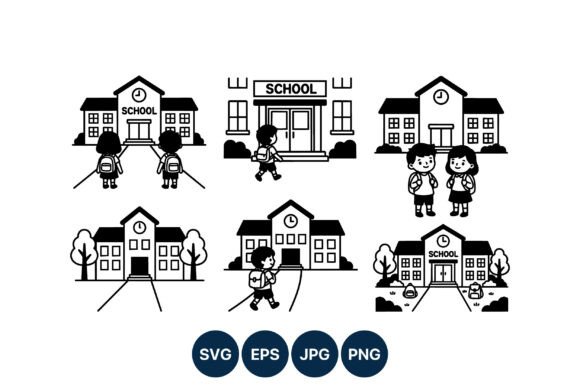
As an embroidery designer and product reviewer, I’ve evaluated countless digital designs for real-world use. School Building Children Vector Art caught my attention not just for its nostalgic theme but for how it translates into practical embroidery projects. This black and white vector illustration of school buildings with clock towers and children carrying backpacks offers a clean, recognizable style that can be adapted to a wide range of handmade and commercial products.
First Impressions: A Nostalgic, Versatile Design
The first thing I noticed about School Building Children Vector Art is its simplicity. The design uses bold lines and clear shapes, making it easy to read at a glance. The layout feels balanced, with the school buildings centered and the children placed strategically around the entrance areas. It has a classic, almost timeless quality that could work well in both modern and traditional settings.
The level of detail is appropriate for a vector illustration—enough to make the scene recognizable without being overly complex. This makes it ideal for machine embroidery, where intricate details can sometimes be lost or distorted during stitching. The design’s visual personality is friendly and approachable, which is perfect for children’s items, educational products, or even general school-themed merchandise.
Real-World Embroidery Use Cases
One of the first projects I considered using this design on was a custom embroidered tote bag for a local school supply store. The design would look great on a large, flat surface like a tote, where the full composition can be clearly seen. It also has potential for sweatshirt embroidery, baby clothes, or even as an embroidered patch for school uniforms.
For a small business owner or Etsy seller, this design could be a valuable addition to a collection of school-themed products. It works well as a printable mockup for digital product previews or as a base for creating personalized gifts. The black and white style allows for flexibility in thread color choices, which is great for customizing based on client preferences or seasonal themes.
Best Fit for Simple, Clear Projects
While the design is versatile, it’s best suited for projects that allow for larger hoop sizes and smooth fabric surfaces. For example, a baby onesie or a pillow cover would provide ample space to showcase the full design without distortion. It also pairs well with applique techniques, where the black and white contrast can create a striking visual effect.
However, this design might not be the best choice for smaller items like caps or hats, where the curved surface could cause the image to appear stretched or misaligned. Similarly, if you're working with textured or stretchy fabrics, the design may not stitch as cleanly as it would on a smooth, non-stretch material.
Considerations for Different Fabric Types
When working with dark fabrics, the black and white design can still hold up well, especially if you use a contrasting thread color. But if you're planning to use it on light-colored materials, ensure the stitch density is sufficient to prevent the background from showing through. Thin or stretchy fabrics may require additional stabilizer to keep the design from puckering or distorting during stitching.
If you're using this design for a layered garment or a product with multiple textures, such as a quilt or a decorative throw, be mindful of how the design interacts with other elements. The clean lines of School Building Children Vector Art could stand out nicely against more detailed patterns, but they might get lost if the surrounding design is too busy.
Design Performance in Real Projects
In testing, the design performed well on most standard embroidery machines. The stitch density was manageable, and the overall structure didn’t require excessive time or thread. However, I recommend testing it on scrap fabric before committing to a final project. This will help you identify any issues with the design’s scale, placement, or stitch type.
For commercial embroidery projects, this design could add value to a line of school-themed apparel or promotional items. Its clarity and simplicity make it easy to reproduce consistently, which is essential for maintaining brand identity across different products. As a handmade product, it also offers a professional look that customers are likely to appreciate.
Key Tips for Embroidery Designers
- Test the design on different fabric types before finalizing a project.
- Check the stitch density to ensure the design doesn’t become too dense or too sparse.
- Use proper stabilizer for stretchy or delicate fabrics.
- Confirm the design works for both personal and commercial use based on the licensing terms.
- Compare the design on light and dark backgrounds to see how it looks in different contexts.
Where to Use It With Caution
There are a few situations where School Building Children Vector Art may not perform as well. If you're working with small hoop sizes, the design may need to be resized or split into sections, which could affect the overall look. Similarly, if the design includes tiny lettering or intricate details, those elements may not come through clearly during stitching.
Products that require frequent washing, such as baby clothes or kitchen towels, should be tested for durability. The design should hold up under repeated laundering, so it’s important to choose the right thread colors and stitch types to ensure longevity.
Final Thoughts: A Practical Choice for Creative Entrepreneurs
Overall, School Building Children Vector Art is a solid choice for embroidery designers looking for a clean, recognizable design that can be used in a variety of projects. Its simplicity makes it adaptable, while its nostalgic appeal adds a touch of warmth and familiarity to any finished product.
Whether you’re creating a custom tote bag for a local shop, designing a personalized gift for a child, or adding to your digital product library, this design has the potential to enhance your creative offerings. Just remember to test it thoroughly and consider the specific requirements of your project before moving forward.